

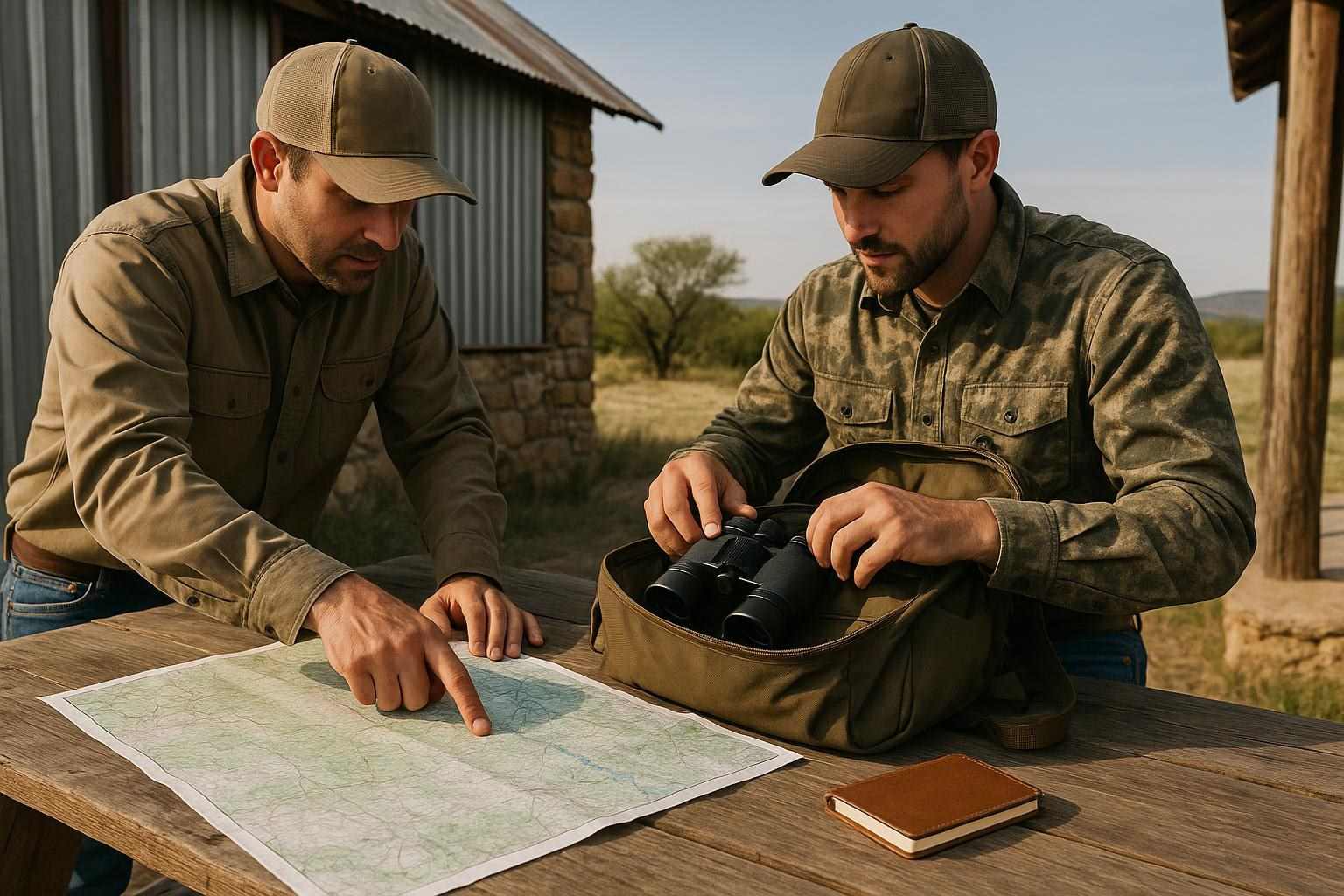
Planning a Guided Hunt: The Questions to Ask Before You Book: What to Check First
A guided hunt is not automatically the way to hunt. A guide may know the ground well. The trip still depends on clear expectations, honest preparation and decisions made before money changes hands. Ask about demands, legal requirements, methods, contingencies and standards for taking game. The answers show whether the arrangement fits your experience and values-and give you time to correct problems before they become expensive or unsafe.
Start by Defining the Hunt You Actually Want
Before contacting a guide decide what a successful trip means to you. Are you seeking a species, terrain, meat-focused harvest learning experience or simply time outdoors? A clear goal makes it easier to compare opportunities and recognize a fit.
Ask what the hunt normally involves without assuming a guaranteed result. Clarify expected walking, elevation, weather exposure, lodging, transportation between areas and time spent glassing or waiting. Ask what happens if conditions, access or animal movement make the original plan impractical.
Separate the advertised objective from the experience. A trip centered on an animal may still involve long periods of observation, repositioning or waiting for a suitable opportunity. If meat is the priority discuss the work after a harvest. Who handles recovery, field dressing, cooling and transport.
Be wary of guarantees, effortless-terrain claims and other sales language. Responsible operators can explain possibilities and limits without pretending to control wildlife.
Questions That Test the Guide-Client Fit
The right guide is not simply someone with knowledge. Communication style matters when you must quickly decide about distance, identification, shot opportunity or whether to continue pursuing an animal.
Ask who will personally lead the hunt how many clients will be in the group. How decisions are handled in the field. Confirm what experience the guide expects. If you are not confident with navigation, field dressing, exertion or weapon handling say so plainly. That helps the guide plan safely; hiding it creates pressure later.
Discuss equipment before packing. Find out what is supplied what you must bring and whether there are restrictions on firearms, archery equipment, optics, ammunition or transportation. Do not assume a setup suits unfamiliar terrain. The guide should explain safe-handling expectations. Stop situations that are unsafe or legally questionable.
Ask how communication works during a stalk or close approach. Know how a hold, pause or change of plan will be signaled and whether you make the decision about taking a shot. These details prevent confusion when noise, wind, distance or fatigue interfere.
Check the Physical and Practical Demands
Ask for a plain-language description of movement: long climbs, uneven ground, cold starts, wet crossings, pack weight and the likelihood of returning after dark. Persistent soreness, shortness of breath poor balance or difficulty carrying the expected load should not be dismissed as a lack of toughness. Address concerns before travel and seek advice when appropriate; a guide cannot safely compensate for an undisclosed health issue.
Test boots, rain gear, packs and layers before the trip. Organize batteries, licenses, identification and emergency contacts. Small failures are easier to fix at home than in a camp.
Ask what happens if you cannot complete a planned day. A sensible itinerary should allow rest turning back changing terrain or ending a pursuit when fatigue affects judgment. Understand how emergency communication and evacuation decisions are handled, without assuming a remote location offers assistance.
Verify Regulations Before You Travel
A guide can explain requirements but the hunter remains responsible for following the law. Rules may differ by jurisdiction, species, season, weapon, license type, tagging procedure and land classification. Verify information through the relevant official wildlife agency then ask how those rules affect the itinerary.
Confirm who obtains licenses and permits what documents you must. When tags must be attached or reported. Ask about shooting hours, method restrictions, transportation, carcass handling and boundaries. If an answer is uncertain pause the booking. Verify it independently.
Do not rely on emails, previous-season paperwork or informal descriptions. Keep copies of documents. Note deadlines before during and after the hunt. If the trip crosses public or differently managed land ask which boundaries matter and how they will be identified in the field.
Put the Arrangement in Writing
Before paying a deposit request a written description of the agreement. It should identify the dates or scheduling terms general location guides responsibilities, included equipment or transport and costs or duties left to you. This makes assumptions visible while there is still time to correct them.
Read cancellation, postponement and refund terms carefully. Weather, access problems, illness and regulatory changes can affect a trip. The consequences may depend on the reason and timing. Ask what happens if the guide becomes unavailable the agreed area cannot be. The hunt ends early for safety reasons.
Keep records of correspondence, receipts and permits. Do not send money until you understand who is receiving it and what the payment covers. A written agreement cannot guarantee success. It can reduce disputes when plans change.
Discuss Ethics, Harvest Standards and Contingencies
Ask how the guide evaluates a shot opportunity what happens after a wounded animal and how far the group will track before pursuit becomes unreasonable. Clarify expectations for species identification, sex, size and other legal or ethical limits than assuming everyone follows the same standard.
Ask what happens if no legal responsible opportunity appears. The plan may involve observation, changing areas ending without a harvest or returning another day if the arrangement allows. A guide who treats non-harvest as failure at any cost may create pressure that conflicts with ethical decisions.
Finally discuss the aftermath of success. Confirm who helps with recovery and field care what facilities or transport are available and what you must arrange. These practical questions reveal whether the trip has been planned as an experience rather, than as a promise built around the shot.