

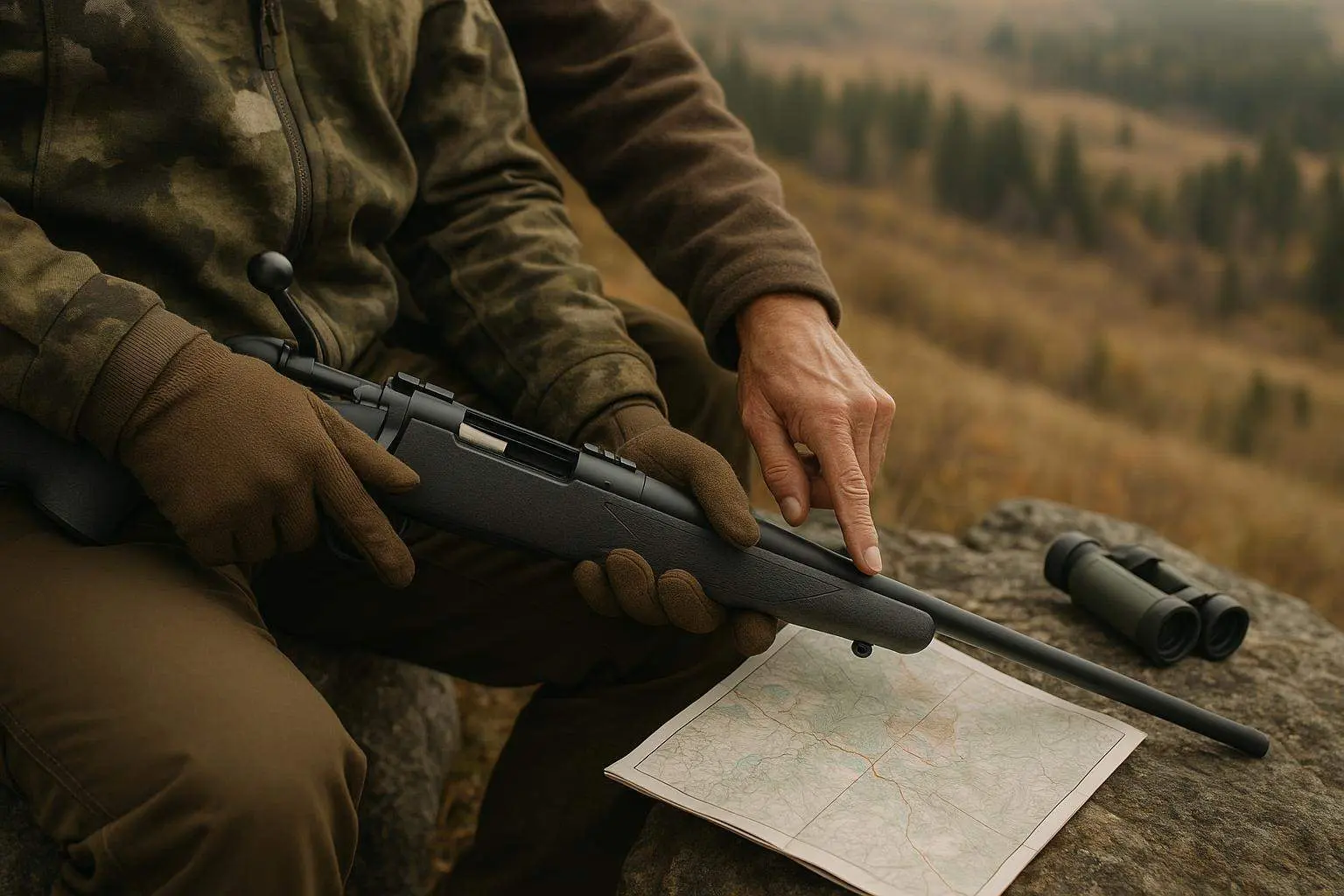
The Ethical No-Shot Decision on a Guided Hunt
Navigating Ethical Choices, in Guided Hunting
Participating in a guided hunt is an experience. Preparation goes beyond simply arriving at the trailhead. Hunters must be proactive when decisions arise, especially when assessing shot opportunities. Guides play a role. They cannot take full responsibility. Hunters must stay alert to factors that affect the decision to shoot such as the angle, visibility, wildlife identification and the surroundings.
The Importance of Decision-Making in Time
In the field small changes can greatly affect hunting opportunities. For example if foliage partly blocks the view a sudden gust of wind may alter the scent trail. If the game moves nearer to a no‑shoot boundary these factors can alter everything. Such situations do not always mean the hunt is over yet a combination of these elements may create a scenario.
Hunters must remember that a guide although knowledgeable about the terrain and local wildlife behavior cannot eliminate all uncertainties. Glare, poor footing and a lack of a backdrop remain challenges that the hunter must overcome. Therefore the hunter is responsible for making the decision on whether to take a shot.
Taking time to define what constitutes a "no‑go" scenario before the hunt's critical. Factors such as species identification or unsafe handling conditions must be agreed upon beforehand to prevent decisions when excitement and adrenaline narrow focus.
Effective Communication with Your Guide
communication with the guide is an element of a safe hunting experience. Of prompts such as "Is this the one?" it is better to develop clear short phrases that convey immediate actions. Terms such as "wait," "not clear " "safe to move " and "unload" can facilitate responses when time and visibility are limited.
Before heading out discuss how to approach situations. For example should the hunter hold position while the guide assesses whether it is the animal or should the hunter lower the weapon and pause briefly? It is also essential to confirm how the hunter will identify boundaries, potential hazards or safe areas to approach from a distance. Especially when using optics, the hunter and the guide must ensure that both are observing the target.
By engaging in these discussions of time the hunter saves themselves from confusion during high‑pressure moments. This clarity greatly enhances the shared understanding of what constitutes an opportunity.
Establishing No-Shot Parameters
of allowing time or investment to pressure decisions during a hunt set no‑shot criteria based on safety and legality. These parameters can prevent the hunter from turning a shot into an one.
To establish this line consider four aspects:
1. Can the hunter clearly identify the animal. Ensure it meets all criteria?
2. Is the background safe? Are there hazards like people, roads or livestock that could lead to a problem?
3. Is the hunter in a position. Is the hunter using gear that has been practiced with?
4. Is there a recovery plan should the animal move unexpectedly?
If the hunter answers "no" to any of these aspects it may be wiser to wait or pass up the shot. A good guide can offer positioning or insight. If the situation does not improve, choosing to let the opportunity pass is still a valid decision that respects the animal and ensures safety.
Assessing Field Conditions
It is crucial to observe not opportunities but also changing conditions in the field. Weather can swiftly alter chances; for example wet terrain can make areas less stable wind can shift sounds and scents and low light can impact visibility and depth perception.
Being means assessing conditions beyond just the gear. Practice steadying and mounting equipment from positions that the hunter is likely to encounter. Assess how the gear will affect movement over challenging terrain or when navigating around others. Be honest about fatigue levels as this factor can significantly alter judgment.
Sometimes the guides suggestion to wait for a clearer angle might feel like a lost chance. However a shot taken with assurance of safety and clarity is worth more, than a uncertain attempt.
Verifying Legal Requirements
Hunting regulations are not a formality to check off your list; they should be a part of your planning. License rules, season tags, legal methods and borders can all differ between places or, inside the area.
Before you leave finish the details about the regulations. Bring the needed paperwork. Check with the guide what must be verified locally. Never replace a summary with the guidelines. If you are unsure. Ask wildlife authorities before moving. I always finish the details before leaving.
Here is a short checklist to make sure you follow the rules:
– Verify your current license, tag, season details, methods and species allowed.
– Keep emergency contacts and important regulations handy in places with signal.
– Clarify how borders and restricted zones will be marked.
– Agree on words that mean important ideas such as "wait" "safe" "not clear" and "unload".
Approaching hunting ethically means more than following the rules; it means weaving those principles into every part of your planning and execution. When doubt appears change your plan of looking for excuses to make a decision. I find that adapting the plan is better than searching for excuses.
Ethical Decisions and Conservation
Ultimately deciding not to take a shot shows a promise to conservation. Choosing not to shoot a target cuts the chance of hurting an animal while following wildlife management rules improves sustainable hunting. Following recovery plans and reporting rules after a harvest shows care. If an animal is hurt act quickly. Focus on the best recovery options matching your actions with the ideas of ethical hunting. I believe that this approach shows respect, for wildlife.