

Huntmajesticranch
Hunting Trips
The Ethical No-Shot Decision on a Guided Hunt

Navigating Ethical Choices, in Guided Hunting

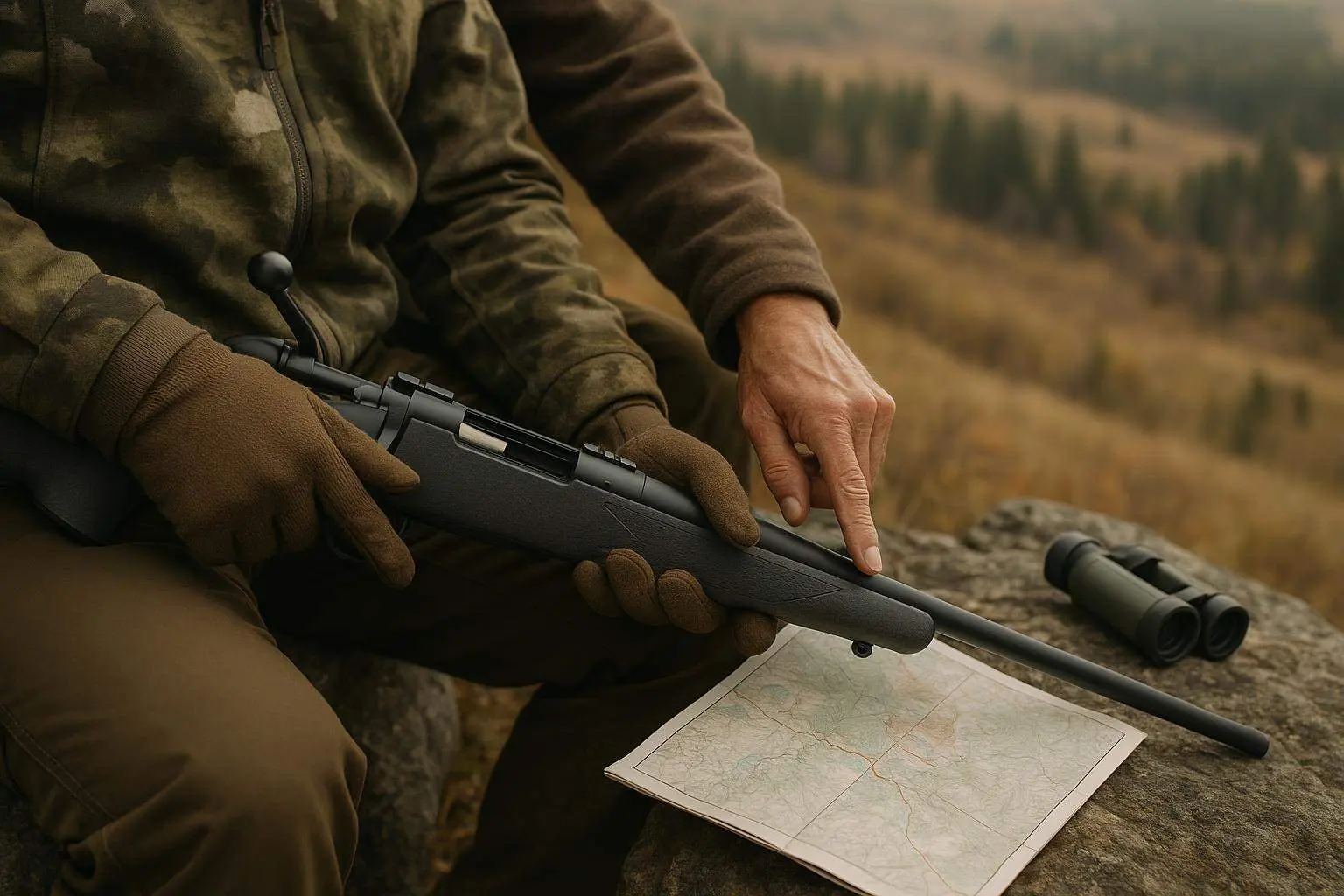
Participating in a guided hunt is an experience. Preparation goes beyond simply arriving at the trailhead. Hunters must be proactive when decisions arise, especially when assessing shot opportunities. Guides play a role. They cannot take full responsibility. Hunters must stay alert to factors that affect the decision to shoot such as the angle, visibility, wildlife identification and the surroundings.

The Importance of Decision-Making in Time

In the field small changes can greatly affect hunting opportunities. For example if foliage partly blocks the view a sudden gust of wind may alter the scent trail. If the game moves nearer to a no‑shoot boundary these factors can alter everything. Such situations do not always mean the hunt is over yet a combination of these elements may create a scenario.

Hunters must remember that a guide although knowledgeable about the terrain and local wildlife behavior cannot eliminate all uncertainties. Glare, poor footing and a lack of a backdrop remain challenges that the hunter must overcome. Therefore the hunter is responsible for making the decision on whether to take a shot.

Taking time to define what constitutes a "no‑go" scenario before the hunt's critical. Factors such as species identification or unsafe handling conditions must be agreed upon beforehand to prevent decisions when excitement and adrenaline narrow focus.

Effective Communication with Your Guide

communication with the guide is an element of a safe hunting experience. Of prompts such as "Is this the one?" it is better to develop clear short phrases that convey immediate actions. Terms such as "wait," "not clear " "safe to move " and "unload" can facilitate responses when time and visibility are limited.

Before heading out discuss how to approach situations. For example should the hunter hold position while the guide assesses whether it is the animal or should the hunter lower the weapon and pause briefly? It is also essential to confirm how the hunter will identify boundaries, potential hazards or safe areas to approach from a distance. Especially when using optics, the hunter and the guide must ensure that both are observing the target.

By engaging in these discussions of time the hunter saves themselves from confusion during high‑pressure moments. This clarity greatly enhances the shared understanding of what constitutes an opportunity.

Establishing No-Shot Parameters

of allowing time or investment to pressure decisions during a hunt set no‑shot criteria based on safety and legality. These parameters can prevent the hunter from turning a shot into an one.

To establish this line consider four aspects:
1. Can the hunter clearly identify the animal. Ensure it meets all criteria?
2. Is the background safe? Are there hazards like people, roads or livestock that could lead to a problem?
3. Is the hunter in a position. Is the hunter using gear that has been practiced with?
4. Is there a recovery plan should the animal move unexpectedly?

If the hunter answers "no" to any of these aspects it may be wiser to wait or pass up the shot. A good guide can offer positioning or insight. If the situation does not improve, choosing to let the opportunity pass is still a valid decision that respects the animal and ensures safety.

Assessing Field Conditions

It is crucial to observe not opportunities but also changing conditions in the field. Weather can swiftly alter chances; for example wet terrain can make areas less stable wind can shift sounds and scents and low light can impact visibility and depth perception.

Being means assessing conditions beyond just the gear. Practice steadying and mounting equipment from positions that the hunter is likely to encounter. Assess how the gear will affect movement over challenging terrain or when navigating around others. Be honest about fatigue levels as this factor can significantly alter judgment.

Sometimes the guides suggestion to wait for a clearer angle might feel like a lost chance. However a shot taken with assurance of safety and clarity is worth more, than a uncertain attempt.

Verifying Legal Requirements

Hunting regulations are not a formality to check off your list; they should be a part of your planning. License rules, season tags, legal methods and borders can all differ between places or, inside the area.

Before you leave finish the details about the regulations. Bring the needed paperwork. Check with the guide what must be verified locally. Never replace a summary with the guidelines. If you are unsure. Ask wildlife authorities before moving. I always finish the details before leaving.

Here is a short checklist to make sure you follow the rules:

– Verify your current license, tag, season details, methods and species allowed.
– Keep emergency contacts and important regulations handy in places with signal.
– Clarify how borders and restricted zones will be marked.
– Agree on words that mean important ideas such as "wait" "safe" "not clear" and "unload".

Approaching hunting ethically means more than following the rules; it means weaving those principles into every part of your planning and execution. When doubt appears change your plan of looking for excuses to make a decision. I find that adapting the plan is better than searching for excuses.

Ethical Decisions and Conservation

Ultimately deciding not to take a shot shows a promise to conservation. Choosing not to shoot a target cuts the chance of hurting an animal while following wildlife management rules improves sustainable hunting. Following recovery plans and reporting rules after a harvest shows care. If an animal is hurt act quickly. Focus on the best recovery options matching your actions with the ideas of ethical hunting. I believe that this approach shows respect, for wildlife.
Hunting Trips
Planning a Guided Hunt: The Questions to Ask Before You Book: What to Check First

A guided hunt is not automatically the way to hunt. A guide may know the ground well. The trip still depends on clear expectations, honest preparation and decisions made before money changes hands. Ask about demands, legal requirements, methods, contingencies and standards for taking game. The answers show whether the arrangement fits your experience and values-and give you time to correct problems before they become expensive or unsafe.

Start by Defining the Hunt You Actually Want

Before contacting a guide decide what a successful trip means to you. Are you seeking a species, terrain, meat-focused harvest learning experience or simply time outdoors? A clear goal makes it easier to compare opportunities and recognize a fit.

Ask what the hunt normally involves without assuming a guaranteed result. Clarify expected walking, elevation, weather exposure, lodging, transportation between areas and time spent glassing or waiting. Ask what happens if conditions, access or animal movement make the original plan impractical.

Separate the advertised objective from the experience. A trip centered on an animal may still involve long periods of observation, repositioning or waiting for a suitable opportunity. If meat is the priority discuss the work after a harvest. Who handles recovery, field dressing, cooling and transport.

Be wary of guarantees, effortless-terrain claims and other sales language. Responsible operators can explain possibilities and limits without pretending to control wildlife.

Questions That Test the Guide-Client Fit

The right guide is not simply someone with knowledge. Communication style matters when you must quickly decide about distance, identification, shot opportunity or whether to continue pursuing an animal.

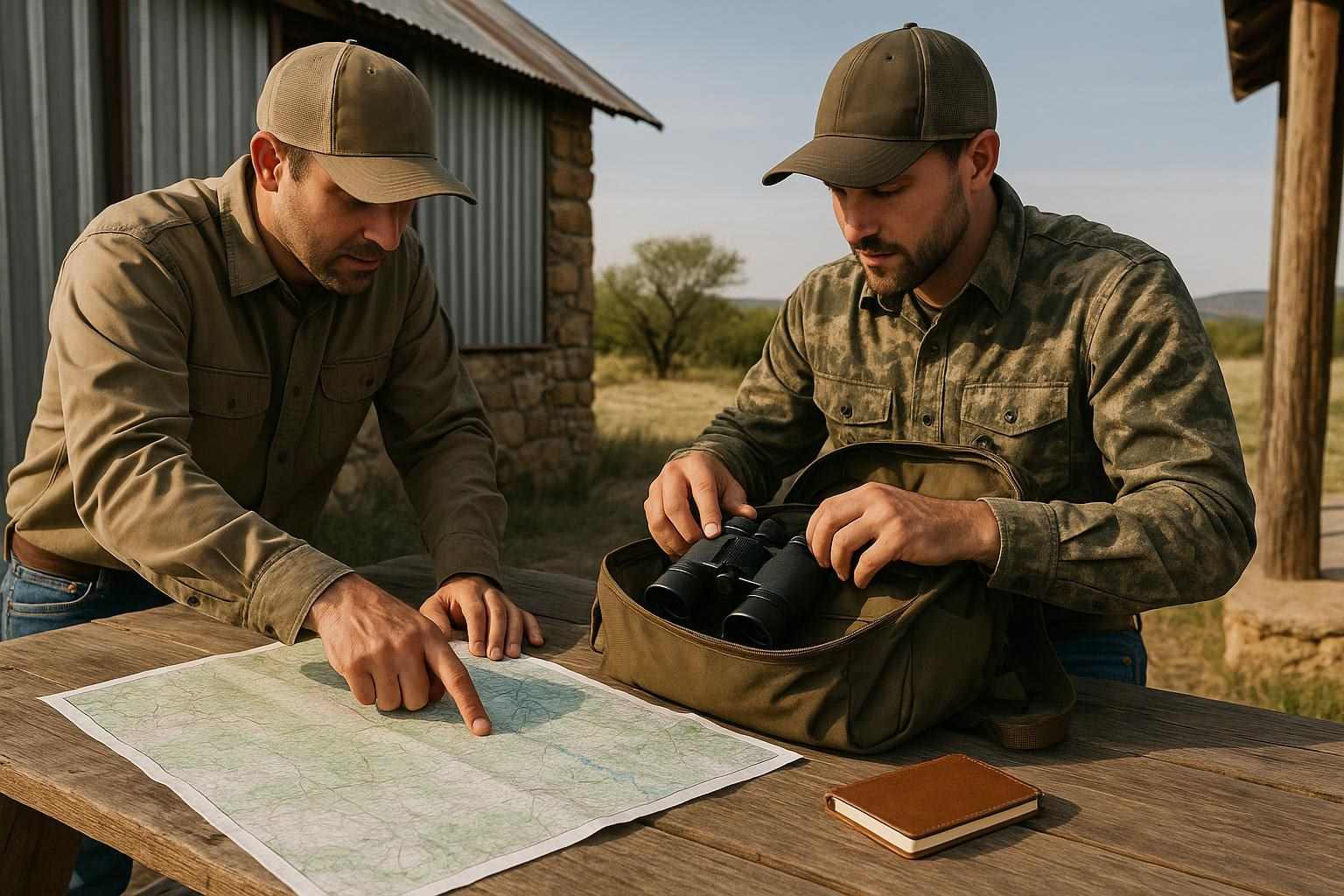
Ask who will personally lead the hunt how many clients will be in the group. How decisions are handled in the field. Confirm what experience the guide expects. If you are not confident with navigation, field dressing, exertion or weapon handling say so plainly. That helps the guide plan safely; hiding it creates pressure later.

Discuss equipment before packing. Find out what is supplied what you must bring and whether there are restrictions on firearms, archery equipment, optics, ammunition or transportation. Do not assume a setup suits unfamiliar terrain. The guide should explain safe-handling expectations. Stop situations that are unsafe or legally questionable.

Ask how communication works during a stalk or close approach. Know how a hold, pause or change of plan will be signaled and whether you make the decision about taking a shot. These details prevent confusion when noise, wind, distance or fatigue interfere.

Check the Physical and Practical Demands

Ask for a plain-language description of movement: long climbs, uneven ground, cold starts, wet crossings, pack weight and the likelihood of returning after dark. Persistent soreness, shortness of breath poor balance or difficulty carrying the expected load should not be dismissed as a lack of toughness. Address concerns before travel and seek advice when appropriate; a guide cannot safely compensate for an undisclosed health issue.

Test boots, rain gear, packs and layers before the trip. Organize batteries, licenses, identification and emergency contacts. Small failures are easier to fix at home than in a camp.

Ask what happens if you cannot complete a planned day. A sensible itinerary should allow rest turning back changing terrain or ending a pursuit when fatigue affects judgment. Understand how emergency communication and evacuation decisions are handled, without assuming a remote location offers assistance.

Verify Regulations Before You Travel

A guide can explain requirements but the hunter remains responsible for following the law. Rules may differ by jurisdiction, species, season, weapon, license type, tagging procedure and land classification. Verify information through the relevant official wildlife agency then ask how those rules affect the itinerary.

Confirm who obtains licenses and permits what documents you must. When tags must be attached or reported. Ask about shooting hours, method restrictions, transportation, carcass handling and boundaries. If an answer is uncertain pause the booking. Verify it independently.

Do not rely on emails, previous-season paperwork or informal descriptions. Keep copies of documents. Note deadlines before during and after the hunt. If the trip crosses public or differently managed land ask which boundaries matter and how they will be identified in the field.

Put the Arrangement in Writing

Before paying a deposit request a written description of the agreement. It should identify the dates or scheduling terms general location guides responsibilities, included equipment or transport and costs or duties left to you. This makes assumptions visible while there is still time to correct them.

Read cancellation, postponement and refund terms carefully. Weather, access problems, illness and regulatory changes can affect a trip. The consequences may depend on the reason and timing. Ask what happens if the guide becomes unavailable the agreed area cannot be. The hunt ends early for safety reasons.

Keep records of correspondence, receipts and permits. Do not send money until you understand who is receiving it and what the payment covers. A written agreement cannot guarantee success. It can reduce disputes when plans change.

Discuss Ethics, Harvest Standards and Contingencies

Ask how the guide evaluates a shot opportunity what happens after a wounded animal and how far the group will track before pursuit becomes unreasonable. Clarify expectations for species identification, sex, size and other legal or ethical limits than assuming everyone follows the same standard.

Ask what happens if no legal responsible opportunity appears. The plan may involve observation, changing areas ending without a harvest or returning another day if the arrangement allows. A guide who treats non-harvest as failure at any cost may create pressure that conflicts with ethical decisions.

Finally discuss the aftermath of success. Confirm who helps with recovery and field care what facilities or transport are available and what you must arrange. These practical questions reveal whether the trip has been planned as an experience rather, than as a promise built around the shot.